


Amniotic Membranes vs Traditional Dry Eye Treatments: What Makes Them Special

Amniotic Membranes vs Traditional Dry Eye Treatments: What Makes Them Special

Amniotic Membranes vs Traditional Dry Eye Treatments: What Makes Them Special

Amniotic Membranes vs Traditional Dry Eye Treatments: What Makes Them Special

Amniotic Membranes vs Traditional Dry Eye Treatments: What Makes Them Special

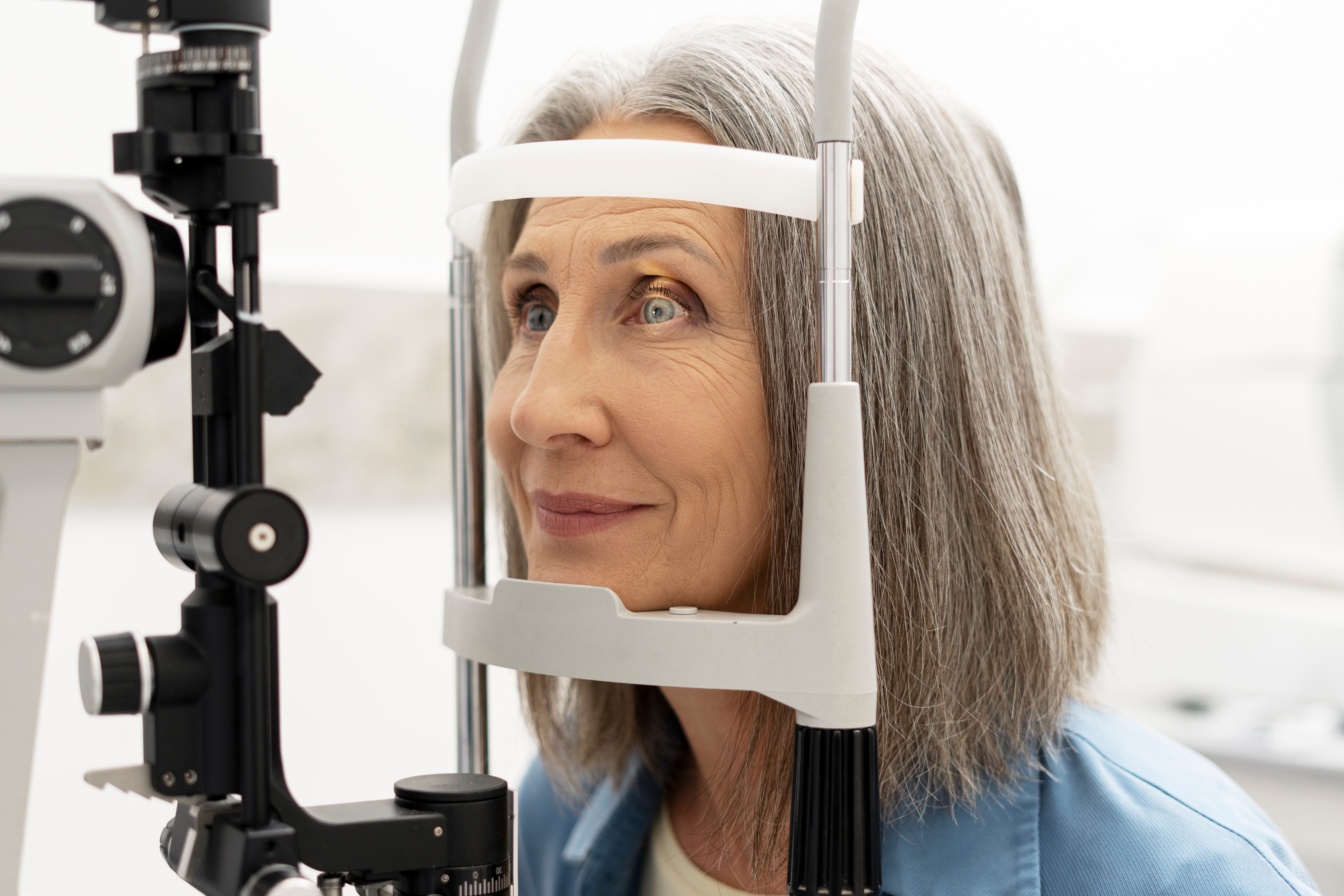
Dry eye can feel simple at first - burning, watering, redness, blurry vision, or a gritty feeling that comes and goes. But for many patients, dry eye is not just a surface-level irritation. It can involve inflammation, damage to the ocular surface, and tear film instability that affects comfort and vision every day. At Green Eye Care in Harlem, NY, we offer advanced dry eye treatments, including Prokera® Amniotic Membranes, for patients who need more than basic relief.
What Traditional Dry Eye Treatments Do
Traditional dry eye treatments are often the first step in managing symptoms. These may include artificial tears, warm compresses, eyelid hygiene, prescription eye drops, or lifestyle changes. For many people, these options can make a meaningful difference by improving lubrication, reducing inflammation, or supporting healthier tear production.
However, traditional dry eye treatments may not be enough when the surface of the eye is already irritated, inflamed, or damaged. If symptoms keep returning or vision fluctuates throughout the day, your eyes may need a treatment that supports healing more directly.
What Makes Prokera Amniotic Membranes Different
Prokera® Amniotic Membranes are different because they use a biologic tissue placed on the eye to help support healing of the ocular surface. Instead of only adding moisture or calming symptoms temporarily, Prokera is designed to help reduce inflammation and promote tissue repair.
The amniotic membrane is held in place by a clear ring, similar to a contact lens. While it is worn, the membrane rests against the eye’s surface and delivers healing properties that can help with more severe dry eye, corneal irritation, or ongoing inflammation.
When Amniotic Membranes May Be Recommended
Not every dry eye patient needs amniotic membrane treatment. At Green Eye Care, we recommend dry eye treatments based on the cause and severity of your symptoms. Prokera may be considered when the ocular surface needs added support to recover.
Patients may benefit from Prokera® Amniotic Membranes if they have:
- Moderate to severe dry eye symptoms
- Ongoing redness, burning, or irritation
- Corneal inflammation or surface damage
- Dry eye that has not improved enough with traditional treatments
- Discomfort that affects reading, screen use, driving, or daily activities
How Prokera Supports the Healing Process
Dry eye often becomes frustrating because inflammation can create a cycle. The eyes become irritated, the tear film becomes unstable, and the surface has a harder time healing. Prokera helps by creating a healthier environment for the eye’s surface to recover.
While wearing the amniotic membrane, some patients may notice blurred vision or mild awareness of the device. This is temporary and expected during treatment. The goal is not only to make the eyes feel better in the moment, but to help address the surface damage that may be contributing to chronic dry eye symptoms.
Amniotic Membranes vs Standard Relief
The main difference between amniotic membranes and traditional dry eye treatments is the level of support they provide. Artificial tears can lubricate. Warm compresses can help with oil gland function. Prescription drops can reduce inflammation over time. Prokera® Amniotic Membranes go a step further by helping the eye’s surface heal when inflammation or damage is more advanced.
For some patients, Prokera is used as part of a broader dry eye treatment plan rather than a replacement for every other therapy. After the eye surface improves, your doctor may still recommend ongoing maintenance care to help keep symptoms controlled.
Getting The Right Dry Eye Treatment
The best dry eye treatment depends on what is causing your symptoms. A detailed dry eye evaluation can help determine whether your discomfort is related to tear production, oil gland dysfunction, inflammation, corneal irritation, or a combination of factors.
At Green Eye Care, we take a personalized approach to dry eye care in Harlem, NY. If traditional treatments are not giving you enough relief, Prokera® Amniotic Membranes may offer a more advanced option to support healing and long-term comfort.
Schedule a dry eye evaluation with Green Eye Care in Harlem, NY by calling (347) 757-5475.

All Eye
Care Services

Keep
In Touch
© 2026 Green Eye Care. All rights Reserved. Accessibility Statement - Privacy Policy - Sitemap
Powered by:

