


Why Are My Dry Eyes Worsening in August? Humidity, NYC Air Conditioning, and Late-Summer Allergies in Harlem

Why Are My Dry Eyes Worsening in August? Humidity, NYC Air Conditioning, and Late-Summer Allergies in Harlem

Why Are My Dry Eyes Worsening in August? Humidity, NYC Air Conditioning, and Late-Summer Allergies in Harlem

Why Are My Dry Eyes Worsening in August? Humidity, NYC Air Conditioning, and Late-Summer Allergies in Harlem

Why Are My Dry Eyes Worsening in August? Humidity, NYC Air Conditioning, and Late-Summer Allergies in Harlem

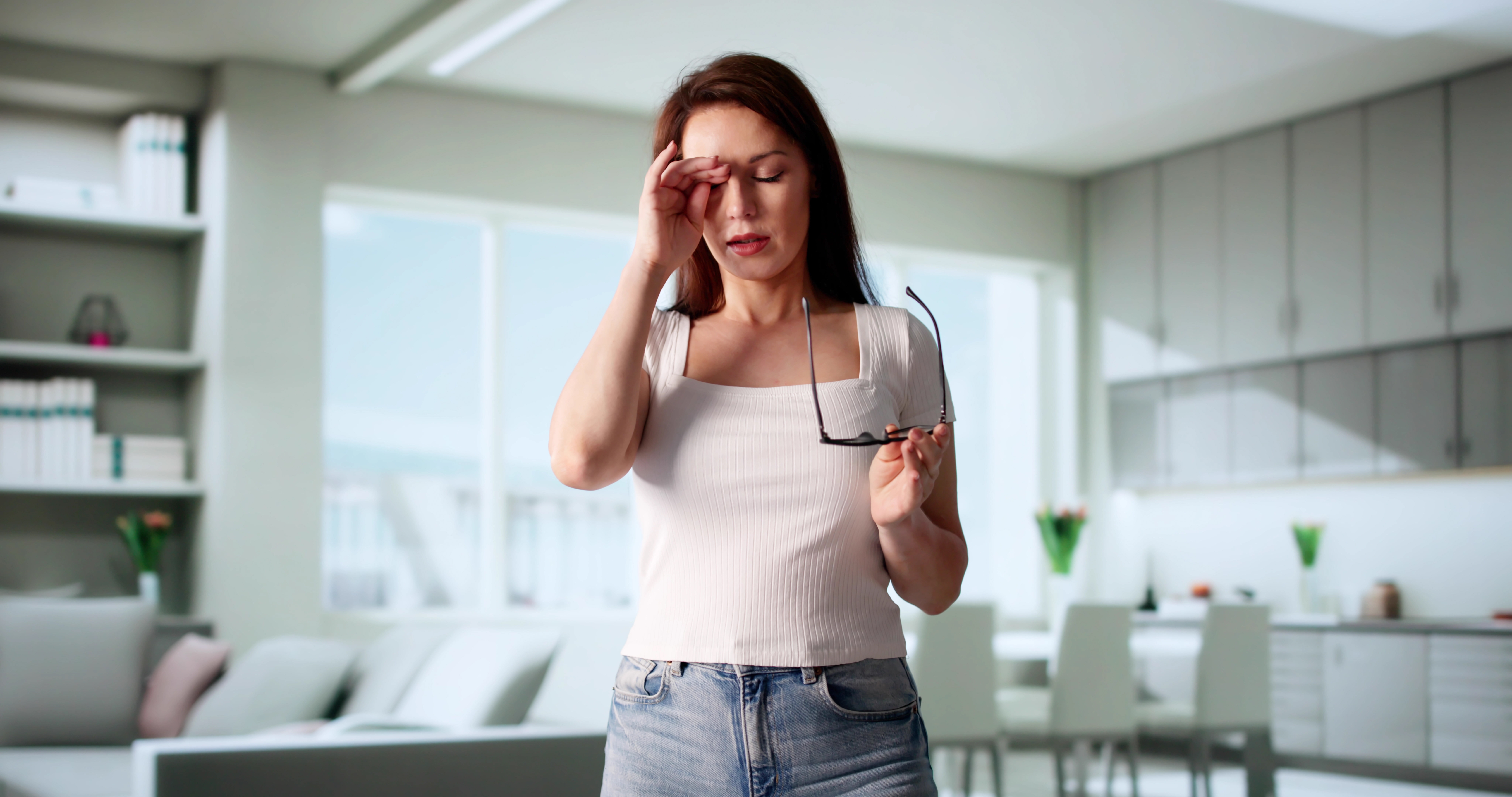
August in New York City can feel hot and humid outdoors, so worsening dry eye may seem surprising. The problem is that dry eye is influenced by more than outdoor humidity. Long hours in air-conditioned apartments, offices, stores, and subway environments can increase tear evaporation, while late-summer allergens may add itching and inflammation to already sensitive eyes. At Green Eye Care in Harlem, we evaluate dry eye symptoms to identify the factors contributing to discomfort and recommend treatment based on each patient's needs.
Why Air Conditioning Can Dry Out Your Eyes
Air conditioning helps make August temperatures more manageable, but constant airflow can work against your tear film. Air blowing across the surface of the eyes increases evaporation, particularly when you are sitting directly beneath a vent or spending hours in a climate-controlled room.
Green Eye Care notes that indoor air conditioning, fans, and car vents can speed up tear evaporation and contribute to dry eye flare-ups. The National Eye Institute also recommends avoiding direct air conditioning when possible and using a humidifier if indoor air becomes too dry.
For Harlem patients who move between humid outdoor air and heavily air-conditioned indoor spaces throughout the day, these repeated environmental changes can make dry eye symptoms more noticeable.
Late-Summer Allergies Can Add to the Irritation
August also marks the beginning of ragweed season in many parts of the Northeast. The American College of Allergy, Asthma & Immunology notes that ragweed begins releasing pollen in August and can continue through the fall. It also specifically notes that New York may have more ragweed exposure later in August than earlier in the month.
Eye allergies can cause itching, redness, watering, and irritation. These symptoms can overlap with dry eye, making it difficult to know which condition is responsible without an examination. Oral antihistamines may also worsen dryness in some people even while helping control allergy symptoms.
Signs Your August Eye Symptoms May Be Dry Eye
Dry eye does not always feel simply "dry." Symptoms can vary throughout the day and may become worse after screen use, air conditioning, or outdoor allergy exposure.
Common signs include:
- Burning, stinging, or gritty sensations
- Red or irritated eyes
- Blurry or fluctuating vision
- Excessive watering
- Increased sensitivity to light
- Difficulty wearing contact lenses comfortably
- Symptoms that become worse in air-conditioned spaces
Green Eye Care identifies burning, grittiness, blurred vision, excessive tearing, and contact lens discomfort among symptoms that may warrant a dry eye evaluation.
Humidity Does Not Always Prevent Dry Eye
High outdoor humidity may slow tear evaporation compared with very dry air, but it does not eliminate other causes of dry eye. Tear film problems can involve inflammation, meibomian gland dysfunction, medications, allergies, and environmental exposure. The National Eye Institute explains that dry eye develops when the eyes do not produce enough tears or when the tears do not function properly.
This is why two people spending the same August day in Harlem may experience completely different levels of eye comfort. Your individual tear quality, eyelid health, medications, screen habits, and allergy sensitivity all matter.
When At-Home Relief Is Not Enough
Simple adjustments can help reduce environmental triggers. Point air vents away from your face, take regular breaks from screens, stay hydrated, and consider a humidifier if your indoor space feels especially dry.
Persistent symptoms may need more targeted care. Green Eye Care offers medical dry eye treatment that may include prescription therapies, preservative-free tears, warm compresses for meibomian gland dysfunction, punctal plugs, Prokera amniotic membranes, and scleral lenses for certain severe cases.
If your dry eyes seem noticeably worse this August, schedule a dry eye evaluation with Green Eye Care at 404 E 117th St., New York, NY 10035, or call (347) 757-5475 to identify whether air conditioning, allergies, tear film problems, or another factor is contributing to your symptoms.

All Eye
Care Services

Keep
In Touch
© 2026 Green Eye Care. All rights Reserved. Accessibility Statement - Privacy Policy - Sitemap
Powered by:

